A circadian rhythm is an endogenous biological process that follows an approximately 24-hour cycle, regulating physiological functions such as sleep-wake cycles, hormone release, body temperature, and metabolism. It is generated by an internal molecular clock and entrained by external cues like light.
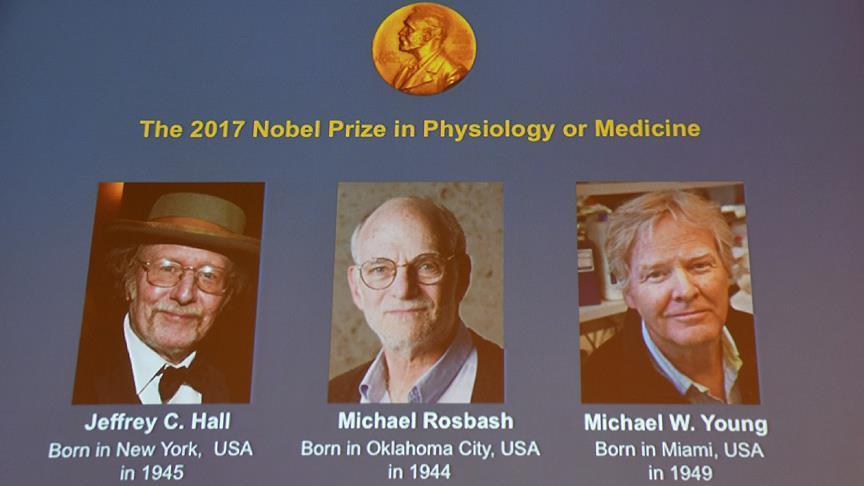
In 2017, Michael Rosbash shared the Nobel Prize in Physiology or Medicine with Jeffrey Hall and Michael Young for figuring out how this internal clock works at the molecular level.
These scientists used fruit flies as their lab subjects because flies have similar biological clocks to humans. Back in the 1980s, Rosbash and Hall (working together at Brandeis University) isolated a key gene called period. They showed that this gene produces a protein (called PER) that builds up in the fly’s cells at night and breaks down during the day.
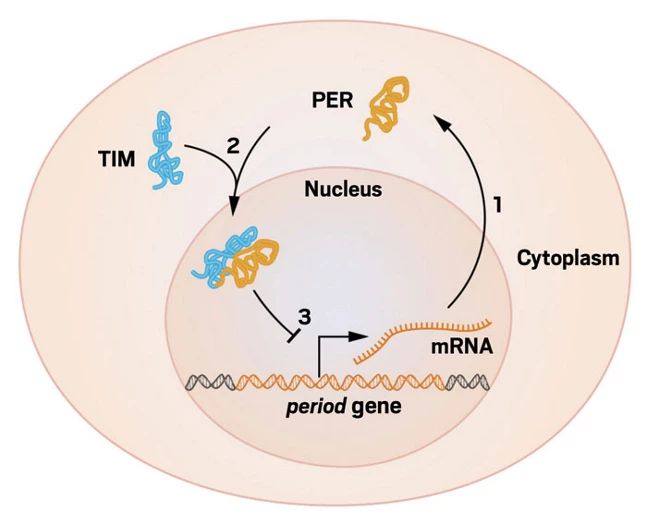
It’s a self-regulating loop. The PER protein eventually enters the cell’s nucleus and shuts off its own production—like a thermostat turning off the heat once the room is warm enough. This creates a daily oscillation that keeps perfect 24-hour time.
Michael Young added crucial pieces, like another gene (timeless) that helps PER do its job. Together, their discoveries revealed a “transcription-translation feedback loop”— a mechanism that operates inside nearly every cell.
Why does this matter for us? The same clock mechanism runs in humans (and most living things). When it’s disrupted—by shift work, poor sleep habits, or travel—it can lead to health issues like insomnia, depression, diabetes, or even cancer risk. Rosbash’s work opened the door to understanding (and potentially fixing) these problems.

Leave a Reply